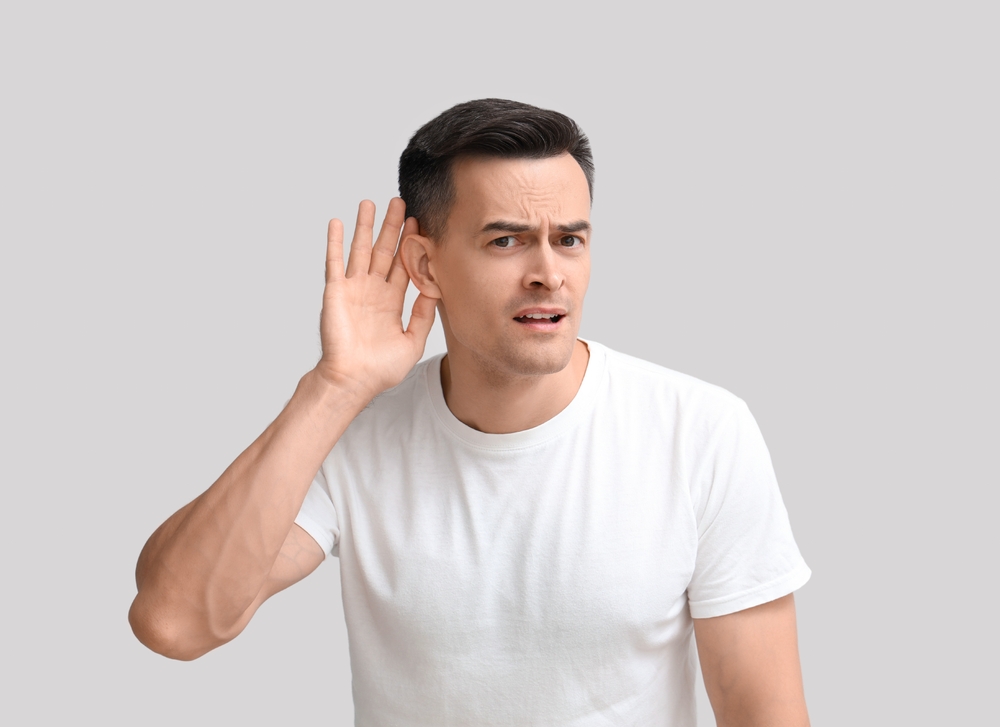
Do you often experience profound mental depletion following extended dialogue or crowded social events?
You might initially blame your exhaustion on general tiredness or a busy lifestyle. Certainly, for those with introverted tendencies or sensory processing sensitivities, social engagement is naturally taxing. Frequently, this specific type of burnout is actually triggered by chronic auditory fatigue.
This condition manifests when the brain’s auditory cortex is forced into an overactive state to interpret sound. When sound clarity is compromised, the brain allocates vast cognitive resources to deciphering muffled or distorted phonemes. Accumulated listening strain eventually manifests as the profound exhaustion associated with auditory fatigue.
Most individuals fail to distinguish between localized auditory fatigue and general fatigue. This type of burnout often points toward a functional decline in the auditory system. Undergoing a clinical screening can identify the extent to which hearing loss drives your daily fatigue. Should these symptoms persist, it is vital to discuss the possibility of hearing loss with a healthcare professional.
Identifying the Core Drivers of Listening Exhaustion
Various stressors can overtax the auditory cortex, leading directly to the onset of auditory fatigue.
Untreated Hearing Loss
The absence of treatment for hearing loss is the most frequent driver of this neurological strain.
When the ears cannot detect certain sounds clearly, the brain tries to compensate by filling in gaps. The mental labor required for constant speech reconstruction causes energy levels to plummet during social interaction.
The Challenge of Complex Soundscapes
Acoustically complex settings serve to intensify the demand on the brain’s filtering systems. Environments with significant background chatter make it difficult for the brain to isolate and prioritize relevant audio signals.
When multiple sounds occur at once, the brain must filter through them to identify the important information. This process can create cognitive overload, especially for people with hearing loss (even mild cases).
Tinnitus and Sound Distortion
Chronic tinnitus compounds listening effort as the brain struggles to ignore internal noise while focusing on external speech.
When hearing loss causes sound to arrive garbled, the brain must work with higher intensity to extract meaning.
Clinical Red Flags for Auditory Fatigue
Symptoms of auditory fatigue typically bridge the gap between mental clarity and physical stamina. Common signs include:
- Profound mental burnout after speaking with others
- Reduced focus during professional or social group settings
- Development of “listening headaches” after long social events
- Irritability or frustration in social settings
- Social retreat to avoid the stress of auditory processing
- Needing a nap or quiet time after social interaction
If these symptoms occur frequently, it may indicate that your ears and brain are working harder than they should.
The Neurology of Effortful Listening
Clear auditory input allows the brain to interpret sound with virtually no conscious effort. However, when hearing loss is present, the brain must allocate more cognitive resources to decode sounds.
This state of over-exertion is technically referred to as an elevated cognitive load. The brain is forced to sacrifice higher-level thinking to manage the low-level task of hearing sound. The long-term effect of this cognitive shift is the profound “emptiness” felt after socializing. Standard dialogue, which should be easy, becomes a high-intensity cognitive task.
Using Clinical Evaluations to Uncover Auditory Strain
When fatigue becomes a daily burden, a professional evaluation provides the necessary data for a solution. During a comprehensive hearing test, an audiologist will measure how well you hear different tones and speech sounds. Testing your hearing in a noisy context is vital for identifying the true drivers of your social exhaustion.
The data from your exam will determine if your fatigue is rooted in a physiological hearing deficit. Early diagnosis facilitates prompt intervention, preventing the onset of chronic cognitive load issues.
How Hearing Treatment Reduces Listening Effort
Treating hearing loss can significantly minimize listening fatigue.
Modern hearing aids improve sound clarity by amplifying important speech frequencies and reducing background noise. By delivering a clean signal, these devices eliminate the need for the brain to expend energy on reconstruction.
Once auditory strain is reduced, the following areas often show significant improvement:
- Sustained cognitive stamina during the workday
- Increased attention span during long discussions
- Reduced anxiety and heightened ease during social events
By reducing neural over-exertion, your daily life regains its sense of ease and fluidity.
Is it Time for a Professional Hearing Check?
You should prioritize an audiological consultation if the following conditions apply:
- Socializing feels like a high-intensity mental workout
- Others comment on your need for frequent repetition during social calls
- Following a group talk in a restaurant feels nearly impossible
- You find yourself “hiding” in quiet rooms during parties or meetings
Resolving these issues today ensures a higher standard of living and better cognitive health for the future.
Frequently Asked Questions: Auditory Fatigue
Auditory Fatigue vs. Hearing Loss: What’s the Difference?
Actually, no; auditory fatigue is the cognitive result of the strain, not the physical impairment itself. That said, hearing loss remains the primary catalyst for chronic listening burnout.
Do Hearing Aids Help with Exhaustion?
By performing the filtering for you, hearing aids dramatically reduce daily mental exhaustion.
Can Auditory Fatigue Be Cured?
With the right treatment, the exhaustion associated with auditory fatigue is often completely reversible.
End Your Struggle with Auditory Fatigue Today
Daily dialogue should not be a source of profound cognitive depletion. If you are suffering from chronic post-social burnout, your auditory system is likely over-exerting itself.
Don’t wait for the burnout to get worse; schedule your audiological check today. Empowerment, confidence, and peace of mind start with understanding what’s happening with your hearing.