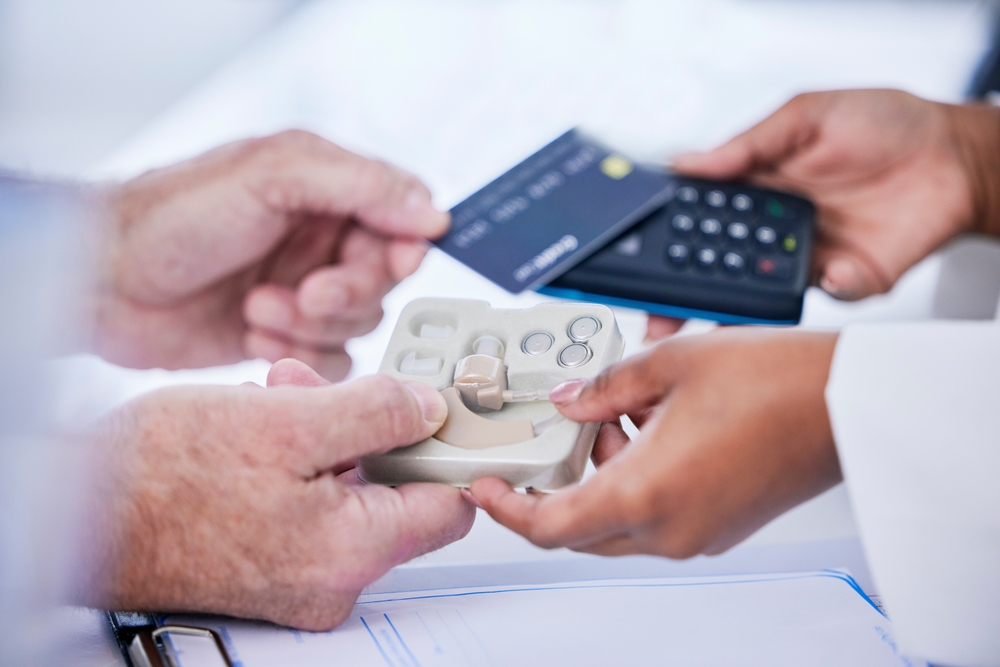
When exploring treatment options for age-related hearing loss or presbycusis, the initial clinical cost of amplification devices can be striking. Based on the sophistication of the digital signal processing and the required audiometric programming, these devices span a wide pricing spectrum. For many patients, this sudden realization can cause hesitation and create an artificial barrier to necessary intervention.
The cost is real, but it’s not the whole story. A high percentage of candidates remain unaware that retail pricing is seldom the final out-of-pocket obligation. Through the strategic use of indemnity policies, dedicated health accounts, and flexible payment timelines, the acquisition process becomes highly manageable.
This clinical brief outlines primary procurement strategies to educate you prior to your diagnostic evaluation, ensuring a confident approach to auditory rehabilitation.
Evaluating Third-Party Payer Coverage for Auditory Rehabilitation
Before expecting to finance the entire purchase independently, verify your existing medical coverage parameters.
If you have private or employer-sponsored insurance, coverage for hearing aids can vary widely. A number of policies indemnify a fraction of the cost, contrasted with plans that provide a capped benefit cap. Conversely, distinct health plans explicitly exclude hearing aids from their covered medical benefits. For exact details, communicate directly with your policy’s member services department regarding durable medical equipment clauses. Ensure you document any maximum limits, whether diagnostic programming sessions are bundled, and which audiology practices hold in-network status.
If you’re on Medicare, it’s important to know that Original Medicare (Parts A and B) does not cover hearing aids. Conversely, privately administered Medicare Advantage options frequently offer hearing-specific stipends as a core incentive.
Under Medicaid programs, specific device coverage is highly dependent upon regional state mandates. Certain jurisdictions offer full or partial device funding for qualified applicants, which your clinic can help verify.
Maximizing Health Savings and Flexible Spending Accounts for Otologic Technology
An existing Health Savings Account (HSA) or Flexible Spending Account (FSA) represents an exceptional mechanical advantage for offsetting medical costs.
The federal government recognizes therapeutic hearing systems as allowable medical expenses, facilitating tax-free acquisition. This statutory exemption provides an immediate discount equivalent to your marginal tax bracket. As a case in point, combining a $2,000 equipment cost with a 22% tax bracket yields a net savings of several hundred dollars. While HSA vehicles allow long-term capital accumulation, standard corporate FSAs enforce a rigid use-it-or-lose-it clause each calendar cycle. Consequently, tactical deployment of seasonal FSA allocations prior to their structural expiration is highly recommended! The IRS rules extend to both advanced prescription systems and compliant OTC variants, justifying a review of your account balance.
Structured Payment Plans and Credit Options for Modern Hearing Aids
A majority of specialized clinics maintain strategic partnerships with medical lending entities to offer installment-based payment structures. Managed through medical financing leaders like CareCredit, these structures frequently supply zero-interest terms to qualified applicants. Consequently, patients are empowered to select the appropriate level of technological sophistication rather than compromising on their clinical needs.
Discussing medical credit structures is a standard aspect of modern healthcare consultations. If you’re concerned about cost, mention it during your doctor’s visit. Keep in mind that these diverse consumer pathways were developed to address these precise medical realities! The medical community firmly believes that securing vital sensory rehabilitation should never require severe financial disruption.
Maximizing VA Healthcare Services for Service-Connected Hearing Deficits
Auditory trauma and tinnitus represent the most prevalent service-connected disabilities, prompting the Department of Veterans Affairs (VA) to maintain robust rehabilitation programs.
Qualified service members are frequently entitled to premium, custom-fitted hearing systems at zero cost via VA medical channels. Regardless of whether your auditory deficit is directly tied to your service record, your general enrollment status can open these pathways. If your military health benefits remain unutilized, coordinating with a local veteran service officer can streamline the application process.
Charitable and Community Programs May Cut Hearing Aid Costs
Independent philanthropic organizations and civic associations offer specialized avenues to mitigate the expense of hearing devices. Renowned non-profits like the Starkey Hearing Foundation and civic clubs like the Lions Club routinely sponsor individuals requiring acoustic aid. Some states also have hearing aid programs for low-income adults.
While these philanthropic avenues often mandate strict income verification and involve operational backlogs, they remain excellent resources. Most of these foundations provide digital portals to screen your eligibility or initiate the formal intake procedure.
Evaluating the Clinical Role and Financial Impact of OTC Hearing Devices
Positioned as a budget-conscious retail category, OTC systems generally command a retail price from $200 to $1,000 per set. They can be helpful for adults with mild to moderate hearing loss.
However, omitting an individualized audiometric diagnostic fitting frequently leads to suboptimal user satisfaction and poor device retention. When managing confirmed moderate or severe auditory degradation, custom prescription systems configured by an audiologist provide superior long-term outcomes.
Prior to opting for a retail OTC device solely based on economic factors, a formal diagnostic audiogram is highly recommended. Retail devices function adequately as a temporary placeholder while awaiting insurance pre-authorization or institutional grant approvals. They deliver a satisfactory temporary compromise, but remain structurally inferior to custom clinical systems over an extended timeline.
Partnering with Our Clinic to Navigate Auditory Technology Financing
Our administrative staff is deeply experienced in aligning technological needs with realistic financial solutions for our community. The clinical landscape contains significantly more financial assistance routes than general consumer awareness suggests.
We request that you present your comprehensive policy details during your consultation so we can map out covered benefits and structure an affordable plan. Call us to schedule your hearing evaluation online. Our practice is committed to identifying an optimization path that respects your budget while restoring your quality of life.