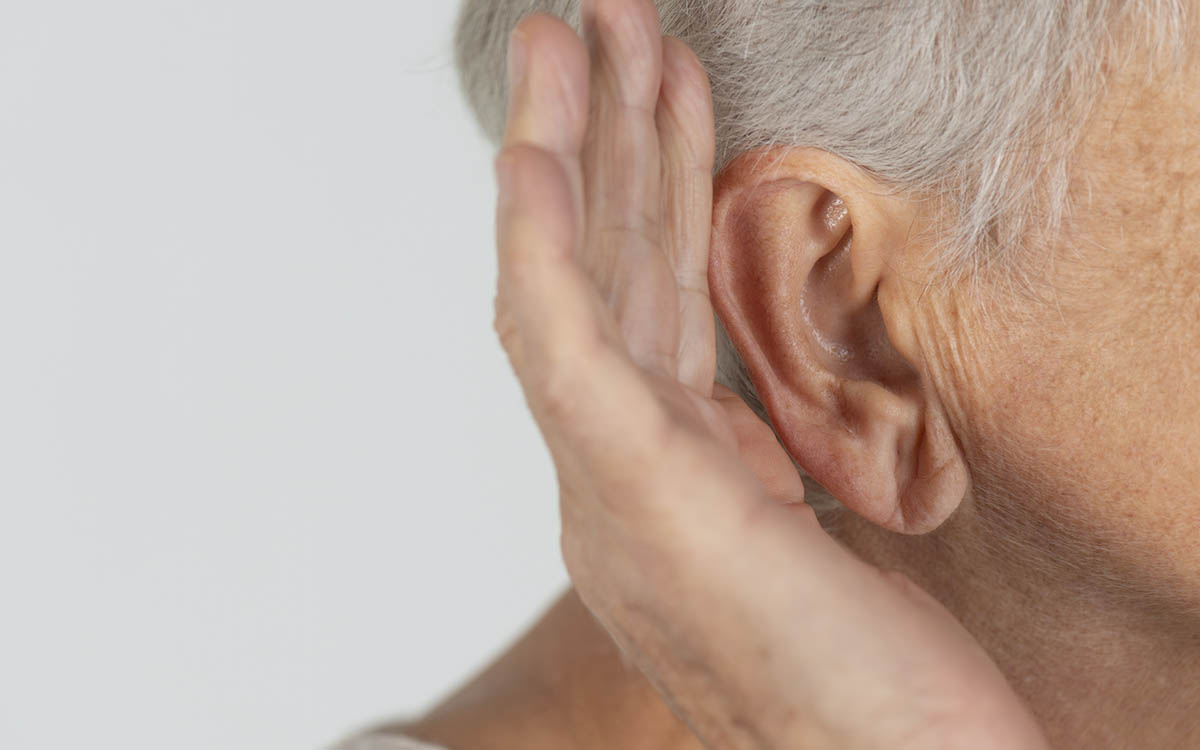
Commonly, clinicians link hearing loss to senescence, but for millions of Americans, auditory trauma initiates much earlier in life. As one of the most prevalent and avoidable types of auditory impairment, noise-induced hearing loss typically progresses slowly, advancing subtly and remaining undiagnosed until the clinical effects are permanent.
Grasping the longitudinal impact of sound exposure on the auditory system can help you protect yourself before major hearing loss develops.
The Clinical Mechanisms of Sound-Induced Auditory Trauma
Noise-induced hearing loss is characterized by the degradation of intricate inner ear components. The Centers for Disease Control and Prevention state that, auditory impairment may begin with chronic exposure to noise levels over 85 decibels. Louder sounds, like those from concerts, power tools, or firearms, can cause damage in minutes or even seconds.
Inside the inner ear are tiny sensory cells called hair cells. These receptors facilitate the conversion of acoustic vibrations into electrical signals decoded by the brain. Once damaged, hair cells do not regenerate, making this form of hearing loss a lifelong auditory deficit.
The Cumulative Development of Acoustic Injury
The insidious nature of noise-induced hearing loss is highlighted by its gradual developmental timeline. Early exposure may cause symptoms like:
- Short-term episodes of Tinnitus or buzzing within the ears
- Sensations of dampened or muffled auditory perception following noise exposure
- Reduced ability to distinguish vocal communication in loud surroundings
The cessation of these early symptoms often leads to the false perception that the auditory system has fully healed. Actually, subsequent noise events continue to degrade internal ear structures, leading to a progressive decline in hearing resolution.
Statistics from the HLAA suggest that 48 million Americans have some form of hearing loss, often without realizing the cause.
Daily Sounds That Can Cause Hearing Damage
In our modern environment, individuals often develop a tolerance or desensitization to high-volume sounds. Due to this, the commonality of injurious sound exposure often goes unrecognized.
Commonly encountered risks include:
- Professional music performances and concert environments
- Headphones played at high volumes
- Industrial tools, lawn maintenance equipment, and motorcycles
- Professional exposure to high-volume noise in manufacturing and labor industries
Due to the routine nature of these sounds, auditory injury may accrue in the absence of overt symptoms.
The Critical Role of Auditory Prophylaxis
A distinguishing factor of noise-induced hearing loss is the lack of clinical reversal options. Despite its permanence, the condition is significantly preventable. Risk reduction can be achieved through fundamental protective habits, including:
- Using earplugs or noise-reducing earmuffs in loud environments
- Reducing personal audio volume and adhering to the 60/60 safety guideline
- Taking listening breaks to give your ears time to recover
- Arranging for routine Audiology assessments if noise exposure is frequent
Indicators to Schedule Professional Hearing Care
Should you experience persistent Tinnitus or a decline in conversational understanding, a professional evaluation is indicated. Timely professional assessment facilitates the creation of a management plan to maintain long-term auditory health.
Implementing protective measures today safeguards your auditory capacity for the years ahead. Noise may be unavoidable, but hearing loss doesn’t have to be!. Contact our team today to schedule a consultation and make sure you’re hearing your best.