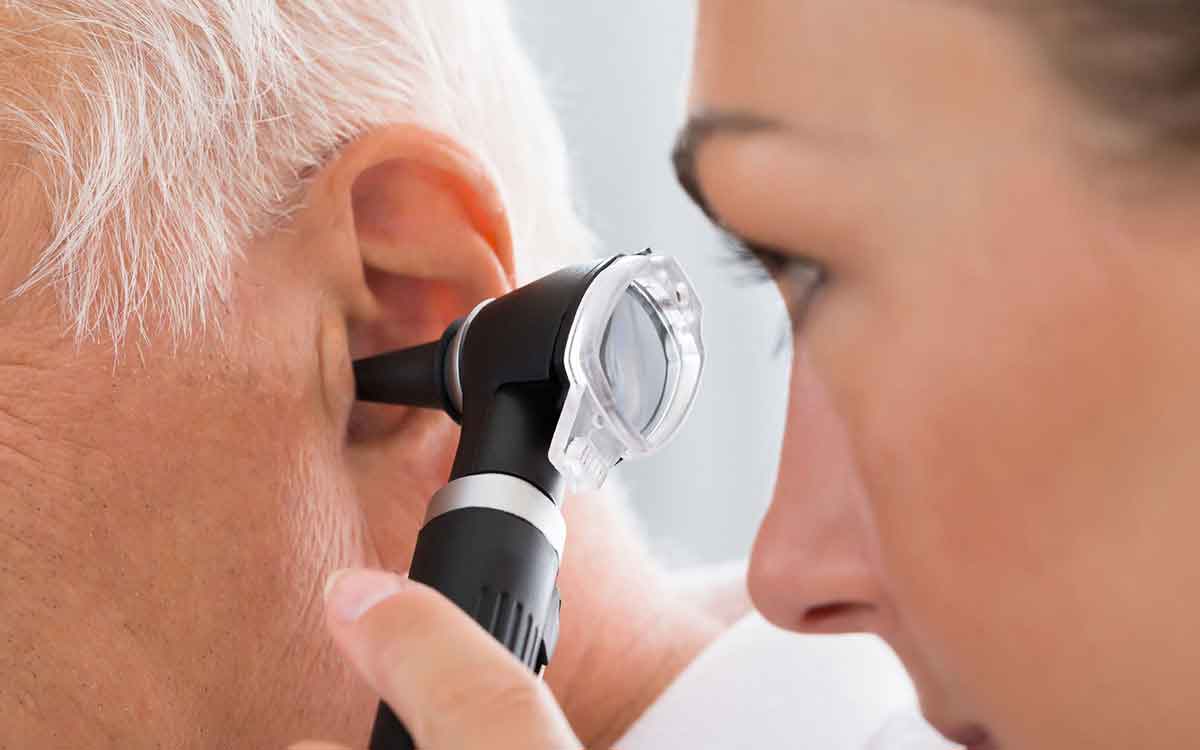
Auditory decline frequently advances as an incremental process, which often results in the condition being missed during its early development. Subconscious adjustments, such as turning up the television or asking for clarification, often mask the early progression of hearing loss.
Seeking an initial screening can help maintain auditory function, enhance interpersonal dialogue, and safeguard overall quality of life.
Frequent Indicators of Initial Auditory Decline
If you identify any of these indicators, consider arranging a professional hearing assessment to determine your status.
- Reduced clarity during social interactions in loud or crowded environments.
- Frequently asking people to repeat themselves.
- Hearing muffled or slurred speech where sounds lack definition.
- Setting higher volume levels for electronic devices beyond the comfort of family members.
- Trouble perceiving high-frequency audio, including high-frequency vocalizations, birds, or doorbells.
- Ringing, buzzing, or humming in the ears (tinnitus).
- Cerebral exhaustion after social events caused by persistent listening effort.
- Withdrawing from social gatherings because dialogue has become stressful.
These early signs of hearing loss can affect one or both ears and can be intermittent at first. Because the brain adapts quickly, many people fail to recognize how much they’re compensating until hearing loss advances further.
Hearing Loss By The Numbers
Projection by the World Health Organization suggests that over 700 million individuals will need auditory rehabilitation by mid-century. Other noteworthy statistics include:
- By 2050, approximately 2.5 billion people are projected to experience some degree of hearing loss.
- More than five percent of the global community (roughly 430 million people) requires clinical support to manage disabling hearing loss.
- In excess of 1 billion young adults face the threat of irreversible hearing loss resulting from hazardous acoustic habits.
- Among those aged 60 and older, more than one-quarter suffer from disabling hearing loss.
Why Early Detection is Key
If left unaddressed, hearing loss may affect various aspects of your health beyond simple communication.
Clinical evidence shows a documented link between ignored hearing loss and social challenges, such as isolation and depression.
Treating symptoms early facilitates a broader range of interventions and improved clinical results.
An evaluation distinguishes between noise damage, earwax buildup, or underlying infections.
Occasionally, hearing shifts are temporary and resolve with intervention.
In others, timely adoption of hearing aid technology or preventative measures may mitigate further decline.
When to See a Hearing Specialist
You should consider arranging a hearing assessment if:
- Clinical indicators persist for a duration exceeding a few weeks.
- Auditory challenges interfere with work, relationships, or daily activities.
- Experiences with sudden decline, dizziness, or chronic tinnitus warrant prompt evaluation.
Hearing tests are painless and safe, additionally they offer valuable insight into your hearing health.
Reach out to our hearing clinic today if you think you could benefit from a hearing screening.
Auditory Health FAQ: Initial Symptoms
Q: Is hearing loss always age-related?
Answer: No. While common in seniors, hearing impairment can be caused by medications, loud noise, infections, or hereditary conditions.
Q: Can auditory impairment be clinically reversed?
Answer: Certain etiologies, such as earwax impaction or localized infection, are treatable. Permanent sensorineural hearing loss is typically managed using advanced hearing devices and management protocols.
Question: How frequently should an individual undergo a hearing test?
Answer: It is recommended that adults obtain a baseline assessment by age 50, with earlier testing for those with specific risk factors.