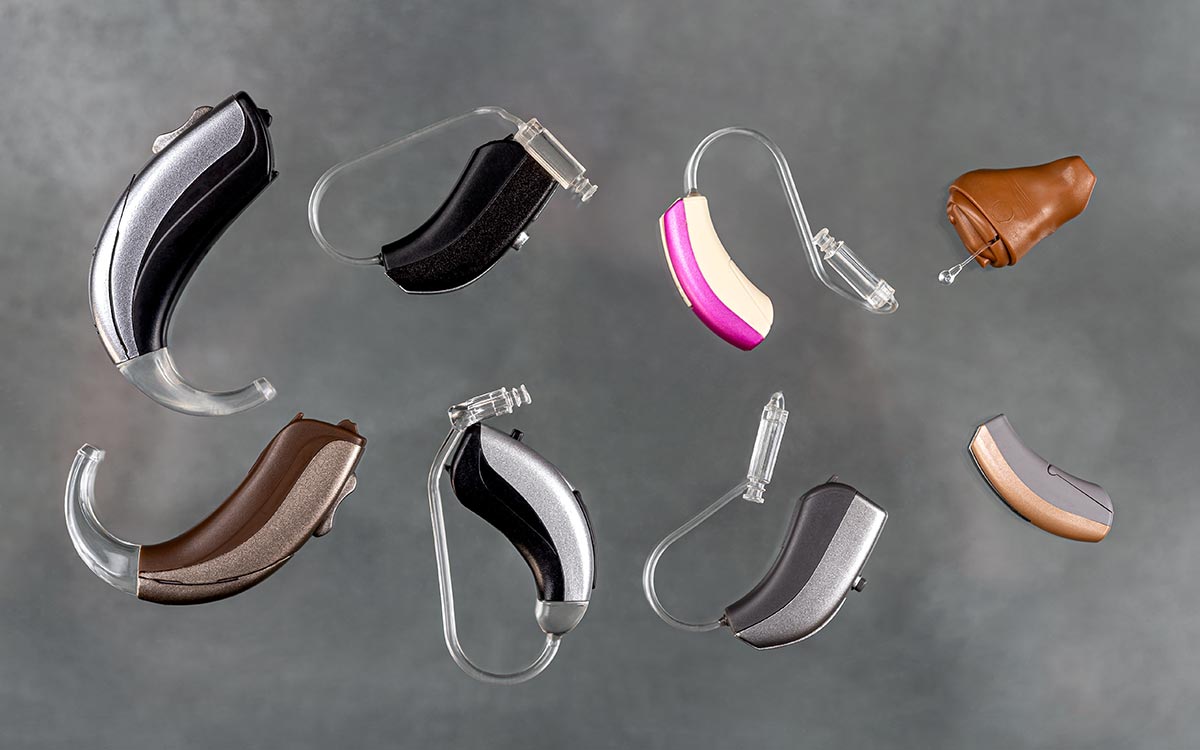
Choosing the right hearing aid can be an arduous task, given the vast array of styles, sizes, and technological features available in modern devices. Rest assured that there is an assistive device tailored to every lifestyle and degree of impairment. It’s just an issue of locating it!
Feeling positive about your selection begins with knowing how different hearing aids function and compare. In this analysis, we look at current styles and the unique characteristics that define them.
In-the-Canal (ITC) Hearing Aids
The Design:
ITC models are custom-made to sit within the ear canal, though a small part of the shell remains visible in the ear’s outer portion.
Why users choose them:
- Offers a smaller shape than bulkier behind-the-ear units
- Custom-molded for comfort
- An effective option for those with moderate hearing needs
Because they offer both discretion and helpful features, ITC models are an excellent pick for those new to hearing technology.
Ultra-Discreet IIC Aids
Core Characteristics:
IIC hearing aids are the smallest custom style available. These devices sit so deeply inside the ear that they are nearly impossible to see.
Primary Incentives:
- Highest degree of invisibility for the wearer
- Natural sound quality due to mic placement
- An ultra-light design makes them easy to wear all day
IIC devices are primarily targeted at those with moderate hearing needs who want their technology to remain completely unnoticed.
Full and Partial ITE Options
What they represent:
ITE hearing aids fill either the whole outer ear (full-shell) or the lower portion (half-shell). These are custom-fabricated for a precise fit based on your ear’s anatomy.
Why users prefer this style:
- The increased surface space offers space for extra functionality and extended power
- Provides a more manageable experience for those who struggle with tiny accessories
- An adaptable option that can address even significant levels of hearing loss
Users regularly select these models for their straightforward, single-piece construction that avoids any external wiring or tubing.
BTE (Behind-the-Ear) Basics
Technical Data:
Positioned securely on the back of the ear, BTE models sit on the outer ridge. Audio travels through a specialized tube or custom-fit mold into the ear opening.
Key Strengths:
- Regarded as one of the most reliable and sturdy designs available
- Effective for nearly every level of hearing impairment
- Provide room for advanced features and rechargeable batteries
For those who value a reliable device that is easy to manage and provides plenty of volume, BTE is an excellent choice.
Modern RIC Models
What they are:
RIC hearing aids look similar to BTE models, but the speaker (receiver) sits inside the ear canal rather than inside the device behind the ear.
Why they are popular:
- Known for creating some of the most realistic audio in the industry
- Users appreciate the slim design and comfortable fit for all-day use
- An adaptable choice that works for various degrees of auditory needs
RIC devices are one of today’s most popular models, thanks to their blend of comfort, aesthetics, and performance.
Extended-Wear Device Facts
Usage Profile:
These unique aids are built to live in the ear canal for a month or more, managed by your hearing specialist.
Why individuals choose them:
- Perfect for wearers who want to avoid the routine of handling hearing aids daily
- They are virtually impossible for people to notice because of their depth
- Engineered to be worn throughout everyday activities, including sleeping and exercising
These models are the ultimate option for an effortless, seamless hearing experience.
Connected Hearing Systems
Operation:
Auditory aids with wireless connectivity that pair with smartphones, tablets, computers, and sometimes TVs.
Why people select them:
- Allows for crystal-clear voice calls and media streamed directly to the device
- Modify settings via a mobile tool
- Enhances daily life by making technology engagement seamless and clear
You can find Bluetooth capabilities built into an array of form factors, from RIC and BTE to custom ITC designs.
Understanding Middle-Ear Implant Technology
Procedure Info:
Middle-ear implants are specialized instruments that employ mechanical vibration to enhance hearing via the middle ear.
Medical Reasons:
- A viable path for patients who are unable to wear standard acoustic devices
- This is an expert choice for those with chronic ear canal sensitivity.
Middle-ear implants are typically suggested only after an exhaustive evaluation by an ENT specialist.
Finding the Hearing Aid That Fits Your Life
Every hearing aid style offers its own benefits, and the right option depends on your level of tinnitus or hearing loss, comfort preferences, lifestyle, and cosmetic considerations. An expert can provide the support needed to test out different styles and find the one that fits your life perfectly.
Take the initiative for your auditory health by booking a professional evaluation and hearing test today. This simple action is the basis for improved hearing and better connections with those around you.
Sources:
https://www.mayoclinic.org/diseases-conditions/hearing-loss/in-depth/hearing-aids/art-
20044116
https://www.hearinglife.com/hearing-aids/types
https://www.nidcd.nih.gov/health/hearing-aids