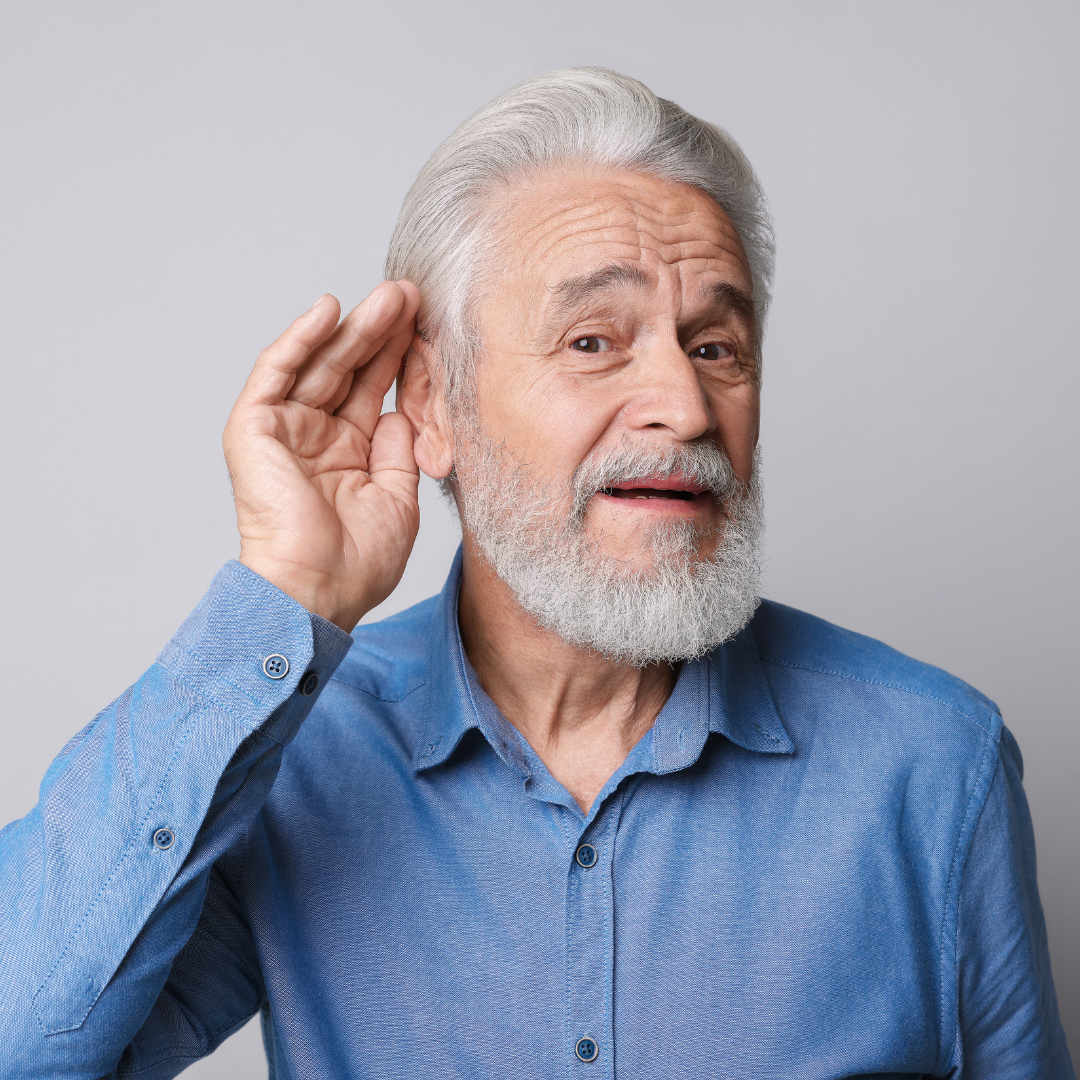
An abrupt decrease in unilateral hearing acuity can feel alarming, often leaving individuals uncertain about what action to take. We provide immediate hearing assessments and coordinate urgent medical intervention when an acute auditory decline occurs. Rapid-onset sudden hearing loss mandates swift clinical attention from an audiologist or physician to explore prompt treatment or auditory rehabilitation.
Is Sudden Deafness in One Ear Considered a Medical Emergency?
Yes, unequivocally. An abrupt loss of hearing in one ear should always be regarded as an emergency, particularly if the loss emerges over hours or several days. Clinically termed sudden sensorineural hearing loss or sudden deafness, this condition originates within the delicate inner ear or cochlear nerve pathways. It generally arises in the absence of pain, causing individuals to mistakenly assume their ear is simply plugged or congested.
Clinical presentations often involve:
- A sharp, noticeable drop in auditory volume or speech clarity in one ear
- Difficulty hearing through one ear during a phone call
- A physical popping sensation or localized ear pressure immediately prior to the hearing drop
- New ringing, buzzing, or roaring in the affected ear
- Balance disturbances, postural unsteadiness, or acute vestibular vertigo
Refrain from waiting for spontaneous recovery to restore your hearing acuity. Seek same-day diagnostic guidance from our practice, an urgent care physician, or an otolaryngology specialist.
Why Should You See a Doctor Immediately for Sudden Hearing Loss in One Ear?
Rapid diagnostic assessment matters tremendously because medical management of sudden sensorineural hearing loss is most effective during the initial window. Our immediate task involves verifying whether the impairment is conductive due to wax or middle-ear effusion, or sensorineural originating within the sensory organ or auditory nerve. These two forms of hearing loss mimic each other subjectively, yet they necessitate completely different medical treatments.
High-magnification otoscopy paired with a pure-tone diagnostic hearing test defines the precise category, pattern, and magnitude of your auditory deficit.
Pursue immediate hospital emergency assessment if your sudden hearing loss coincides with:
- Facial drooping, weakness, or numbness
- Neurological speech deficits, sudden disorientation, or an excruciating new headache
- Double vision, fainting, or difficulty walking
- Sharp chest discomfort or related symptoms of acute cardiovascular distress
Such presenting symptoms frequently indicate a major cerebrovascular or neurological emergency that demands immediate emergency room evaluation.
Understanding the Underlying Causes of Sudden Unilateral Deafness
For the vast majority of patients with sudden sensorineural hearing loss, the exact etiology remains idiopathic. When clinical workups identify a source, it usually relates to vascular ischemia, cellular inflammation, acoustic trauma, immune reactions, or acoustic nerve pathology.
Documented clinical etiologies include:
- Viral or bacterial infections
- Mechanical head injury or sudden exposure to high-intensity blast noise
- Systemic autoimmune pathologies targeting the auditory labyrinth
- Administration of potentially ototoxic pharmaceutical agents
- Vascular disruptions, arterial thrombosis, or reduced labyrinthine blood flow
- Inner-ear disorders such as Ménière’s disease
- Central neurological pathologies including multiple sclerosis
- A benign neoplasm such as an acoustic neuroma along the hearing and balance nerve
Since patient symptoms alone cannot isolate the precise pathophysiological cause, immediate physical exam and audiologic testing are essential.
Medical Management and Interventions for Sudden Sensorineural Hearing Loss
High-dose corticosteroids serve as the primary first-line medical therapy when sudden sensorineural hearing loss presents without an identifiable cause. Corticosteroids can be ingested orally or injected through the eardrum into the middle ear cavity, allowing medication to permeate the round window membrane. Treatment options are made by us and should account for the timing and severity of the loss, medical conditions, current medications, and potential side effects.
Corticosteroids are generally deployed within the initial two-week therapeutic window, and beginning as early as safely permitted is essential. When initial recovery is insufficient, physicians frequently recommend intratympanic steroid injections as a targeted salvage intervention. In specific clinical presentations, the otolaryngologist may recommend combining hyperbaric oxygen therapy alongside standard steroid regimens.
Prognosis and Spontaneous Recovery in Sudden Unilateral Hearing Loss
Certain instances of sudden sensorineural hearing loss do demonstrate spontaneous improvement without therapeutic intervention. Epidemiological data suggests that approximately 50 percent of diagnosed patients recover partial or complete auditory sensitivity spontaneously, typically within the first fourteen days. Nevertheless, clinicians have no definitive diagnostic method to predict at onset who will recover, what degree of hearing will return, or whether gains will prove permanent.
Relying on the chance of spontaneous improvement is never a valid justification for delaying immediate medical care. Therapeutic success diminishes significantly if care begins weeks after the incident, meaning delays can permanently eliminate an important window of recovery. Recovery may be complete, partial, or minimal.
Rehabilitation Options for Treatment-Resistant Sudden Hearing Loss
If the affected ear does not regain full function, subsequent steps hinge on residual hearing levels, word-recognition clarity, and the exclusion of structural pathology. Diagnostic protocols may involve scheduling a cranial MRI scan or performing an auditory brainstem response test to inspect the auditory nerve and brainstem pathways.
Long-term audiological rehabilitation options include:
- A conventional hearing aid if diagnostic testing confirms sufficient, aidable residual hearing
- A CROS system that sends sound from the poorer ear to the better ear
- An osseointegrated bone-conduction hearing system or bone-anchored hearing device for qualifying candidates
- A cochlear implant for qualifying cases of single-sided deafness
- Cutting-edge assistive listening devices to enhance speech perception in occupational, classroom, and social environments
Structured audiologic rehabilitation directly targets listening fatigue, binaural sound localization deficits, and functional communication breakdowns. The optimal clinical choice is guided by diagnostic hearing test findings, individual acoustic environments, medical background, and personal lifestyle objectives.
Arrange an Emergency Hearing Evaluation
If you have experienced an acute auditory shift today or in recent days, pursue urgent same-day medical evaluation instead of waiting for routine appointments. Our clinic will perform comprehensive diagnostic hearing testing, compare thresholds between ears, document onset chronology, and coordinate urgent care with an ENT physician.
Contact our clinic without delay to request a prompt hearing evaluation.