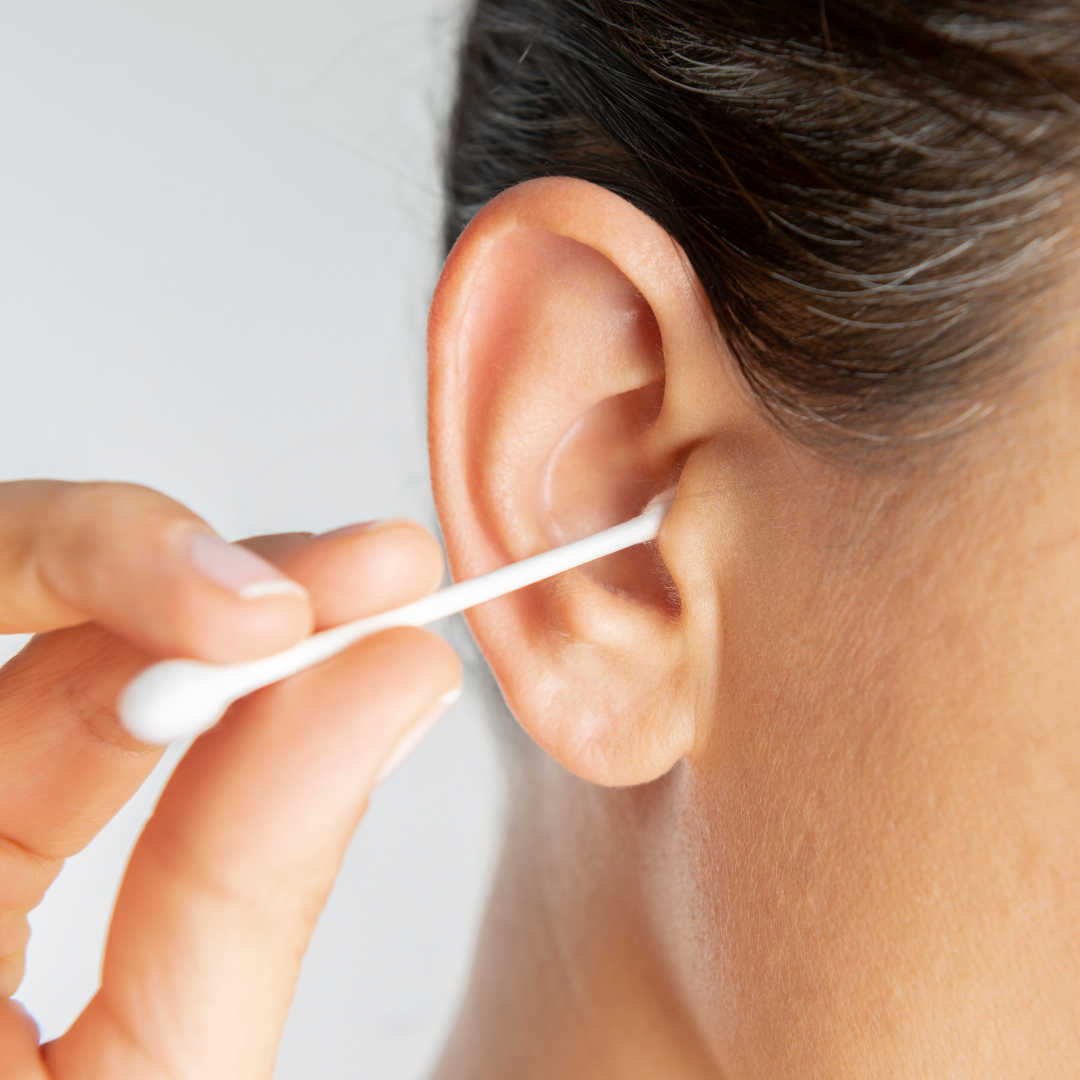
Although cotton swabs appear to offer an easy hygiene solution, pushing them into the ear canal often worsens wax accumulation and risks tissue trauma. Our clinic establishes whether cerumen requires physical removal and identifies the safest protocols for your individual ear anatomy. The auditory canal generally manages its own cleaning; however, should impaction arise, our team provides safe clinical earwax removal.
Understanding the Risks of Using Q-Tips in the Ear
In audiology, earwax (cerumen) is recognized as a vital protective substance rather than dirt. It traps dust and debris, helps limit bacterial growth, lubricates the ear canal, and protects its sensitive skin. Normal jaw articulation and progressive skin turnover transport old cerumen toward the external ear opening, where it naturally detaches.
Pushing a cotton applicator past the canal opening disrupts this natural physiological transport. Even if the swab gathers a trace of surface cerumen, it routinely compacts the remaining mass against the eardrum. Chronic swab insertion frequently compresses cerumen into a dense impaction, triggering a sensation of aural fullness that invites improper cleaning cycles.
Although swabs can sanitize the outer folds of the auricle, they should never penetrate the delicate ear canal.
Types of Ear Injuries Caused by Cotton Swabs
The epidermal tissue coating the ear canal is thin and tears under minimal friction. Minor physical scratches induce pain, trigger localized bleeding, and invite bacterial colonization, increasing outer ear infection rates. A cotton tip may also detach and remain inside the canal.
Clinically documented swab injuries include:
- Deep mechanical cerumen impaction
- Cutaneous tearing, swelling, canal inflammation, or bleeding
- Pathogenic infection involving the ear canal
- Cotton swab fragments trapped inside the auditory canal
- Tympanic membrane perforation or tear
- Dislocation or injury of the delicate hearing ossicles
- Transient hearing reduction or permanent sensorineural loss
- Distressing tinnitus, secondary dizziness, or debilitating ear pain
While severe structural trauma occurs infrequently, accidental elbow jostling, sudden slipping, or over-insertion can provoke profound injury.
Determining the Proper Frequency for Earwax Removal
Most healthy adults have no clinical need to extract earwax on a set timetable. Healthy ear physiology steadily propels wax toward the surface, where daily hygiene cleans the external ear. Aggressive hygiene removes protective lubricants, provokes skin inflammation, and heightens the likelihood of infection or cerumen buildup.
Clinical clearing is warranted if cerumen occludes the auditory pathway, prevents diagnostic evaluation of the eardrum, affects a hearing aid, or sparks discomfort.
How to Address Earwax Safely at Home
If earwax is not causing symptoms, leaving it alone is usually the safest option. Gently wipe the outer ear surface with a damp washcloth and allow internal self-cleaning mechanisms to work.
If hardened wax requires softening, we can guide you toward over-the-counter cerumenolytics or drops featuring mineral oil, carbamide peroxide, glycerin, or saline. Use only the labeled amount and for the labeled duration. Stop treatment promptly if the drops elicit sharp pain, noticeable dizziness, allergic rash, or worsening hearing complaints.
At-home ear flushing is not suitable for all ears and demands prior clinical verification and step-by-step guidance from a provider. Never attempt to flush your ear canal with a pressurized dental water irrigator. Reject risky methods such as ear candling, rigid metal scoops, camera-guided probes, hairpins, and home suction gadgets. These dangerous tools carry severe risks of burning skin, lacerating canal tissue, puncturing the tympanic membrane, or packing wax inward.
When Is Professional Earwax Extraction Necessary?
You should book a clinical appointment if your ear feels blocked following softening drops, cerumen is deeply wedged, or home methods fail to work. Professional removal is also preferable when a person cannot safely hold still, has a narrow ear canal, uses hearing aids, or has medical or surgical factors that make drops or irrigation risky.
Obtain a focused audiological evaluation for:
- Acute otalgia, unrelenting canal pruritus, or physical tenderness
- Blood, cloudy purulence, clear fluid leaks, or foul-smelling ear discharge
- Fever combined with visible swelling or redness around the ear
- Sudden-onset tinnitus or vestibular dizziness
- Acute sensorineural hearing loss or auditory decline persisting after cerumen extraction
- A suspected tympanic membrane rupture or retained swab material
- Frequent wax buildup that occludes or damages hearing aids
Treat sudden hearing loss in one ear as a medical emergency rather than assuming it’s wax. Rapid audiological testing differentiates simple cerumen obstruction from serious, time-sensitive inner ear disorders.
How Can a Doctor Remove Excess Earwax?
We always inspect the canal directly using an illuminated otoscope or surgical microscope to confirm cerumen buildup and evaluate for inflammation, injury, or eardrum ruptures. The most appropriate removal approach is determined by wax texture, canal structure, patient background, surgical history, and individual tolerance.
Available professional techniques include:
- Medical-grade wax softeners administered prior to or during the procedure
- Calibrated warm-water irrigation using body-temperature fluid for intact eardrums
- Gentle suction under direct visualization
- Manual removal with a loop, curette, or small forceps
Visual guidance empowers the clinician to protect delicate canal skin and pause immediately if sensitivity is detected. You may need more than one method for dry or tightly packed wax. Following the procedure, the ear is re-evaluated to guarantee that both the canal passage and eardrum are clear and healthy. If post-cleaning symptoms such as fullness, tinnitus, unsteadiness, or hearing reduction persist, specialized testing can locate the primary cause.
Request an Appointment for Clinical Earwax Removal
If your ear feels occluded or your hearing acuity drops, book a professional consultation with our team rather than using a Q-Tip. Your appointment can include a review of symptoms, previous ear procedures, hearing aid use, home treatments, and factors that may increase wax buildup. Get in touch with our team to request a specialized earwax-removal consultation.