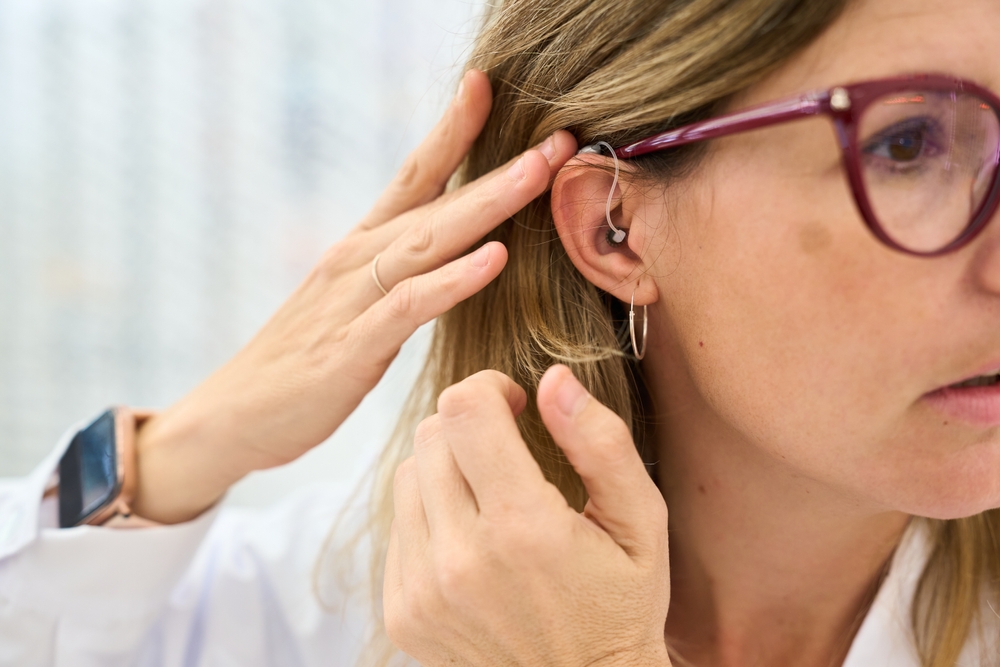
A primary reason individuals put off addressing auditory deficits is the assumption that assistive devices will be unsightly or awkward to wear. For decades, legacy acoustic amplifiers were cumbersomely large, highly conspicuous, and culturally tethered to physical senescence. Regrettably, some people even experienced social alienation because acquaintances falsely assumed that wearing a visible aid signaled a complete inability to comprehend spoken dialogue.
Because this archaic mental image endures, thousands remain deeply reluctant to schedule an initial audiometric evaluation. However, contemporary medical engineering has ensured that current hearing solutions look and function in a completely unexpected manner. Ongoing innovations in cosmetic engineering mean today’s options are ultra-small, seamlessly comfortable, and beautifully hidden from public view.
If you have spent years avoiding an audiologist due to the appearance of old devices, now is the perfect moment to explore today’s sleek alternatives!
The Outdated Devices of Your Imagination Have Been Replaced
If you close your eyes to conceptualize a hearing system, your mind likely crafts a picture of a prominent, cumbersome unit draped behind the ear. Should that be your current expectation, you are inadvertently recalling the clunky designs common to the 1980s and 1990s.
In the intervening decades, the entire field of otolaryngology and acoustic engineering has undergone a massive paradigm shift. Continuous refinements in ergonomic styling, nanometer-scale circuitry, and digital audio engineering have radically overhauled the modern cosmetic profile. Current product lines are incredibly compact, architecturally clean, and purpose-built to harmonize with your features or sit entirely out of sight.
Numerous modern instruments are inserted completely within the ear canal structure, rendering them undetectable throughout standard daily dialogue. Alternative styles occupy a tiny footprint behind the pinna, utilizing ultra-light materials and customizable color palettes to match hair or skin tones perfectly.
Primary Hearing Aid Styles, From Invisible to Barely There
If you are curious about the structural choices available for your rehabilitation, here is an accessible overview of current styles:
Invisible-in-canal (IIC)
For total subtlety, these instruments have no medical equal. IIC devices sit completely inside the ear canal and are custom-made to fit your ear. Spoken interactions at arm’s length occur without anyone realizing a medical device is present. They remain an exceptionally sought-after solution for patients with mild-to-moderate deficits who refuse to compromise on cosmetic privacy.
Receiver-in-canal (RIC) / Receiver-in-the-ear (RITE)
Statistically, this open-fit design represents the dominant choice among current consumers. The system utilizes an incredibly small housing resting behind the ear, linked by a hair-thin translucent cable to a miniature speaker within the ear pathway. From an aesthetic standpoint, they look very similar to trendy consumer tech or modern bluetooth monitors. The vast majority of peers will fail to perceive the apparatus unless conducting a highly deliberate close-up inspection.
Traditional Behind-the-Ear (BTE) Reimagined
While these models house all electronic components within a casing resting behind the pinna, their dimensions are drastically reduced compared to legacy models. Frequently utilized to remediate severe-to-profound auditory loss, they maximize gain and processing capability while maintaining a highly professional, low-profile aesthetic.
The fundamental lesson is clear: current acoustic technology is engineered to integrate seamlessly into your personal lifestyle, never to advertise an impairment.
Modern Hearing Aids: Looking Better and Doing a Lot More
The changes in modern hearing aids aren’t just cosmetic. Contemporary devices are essentially miniature smart hubs rather than historical medical hardware. Many variants integrate high-speed Bluetooth protocols, allowing you to route phone calls, podcasts, or multimedia audio straight to your ears without external headphones.
Managed via intuitive phone interfaces, these systems give you the power to mix sound levels or change situational profiles without ever touching your ears. For instance, when entering a highly reverberant dining space, you can suppress ambient acoustic noise and sharpen speech clarity in mere moments. Convenient overnight charging systems have permanently replaced the tiny disposable batteries that patients traditionally struggled to replace. You merely dock the devices on a nightstand inductive charger, exactly like replenishing your mobile phone.
Dismantling the Emotional Stigma of Auditory Assistance
Despite understanding these technological quantum leaps, psychological resistance remains highly common. Exploring hearing aid options can be challenging on a mental and emotional level because it’s an admission that our hearing isn’t what it used to be. This can make us feel helpless and like we aren’t fully in control of what’s happening to our bodies.
Let’s reframe this narrative completely: acquiring a modern acoustic instrument is not an admission of weakness. They are merely an intelligent adaptation to a universal milestone of aging that impacts us all eventually. They’re proof that you’re taking action to support and equip your body in essential ways.
Visualize the freedom of utilizing a completely covert acoustic system that restores your ability to track jokes, engage in crowded restaurants, and capture every nuance of the activities you love. That is a magnificent example of reclaiming control over your life!
See For Yourself What Today’s Hearing Aids Look Like
The easiest way to let go of that outdated mental image is to check out for yourself what’s available. We encourage you to drop by our office, address your concerns, and hold these miniature devices yourself with zero sales pressure. Treat this as a risk-free exploratory step to comprehend the incredible aesthetic shift that has occurred in our field.
Almost every visitor walks out completely shocked by how weightless, ergonomic, and cosmetically invisible these tools are in practice! Do not let outdated myths delay your wellness—call our specialized practice or book your appointment online today.